
 By Hawaii Travel Desk
Most people torn between Maui and Kauai are really choosing between two kinds of week. One has calm swimming beaches, a volcano summit at sunrise, a famous coastal drive and a good dinner every night. The other is slower, greener and built around trails, river valleys and cliffs you mostly see from a boat.
Here’s the short answer. If this is your first Hawaii trip, or you want easy beach days, pick Maui. If you’re a hiker who likes small towns and doesn’t mind rain, pick Kauai. And if your trip is in late 2026 or early 2027, Maui is the safer bet for now, because several of Kauai’s biggest sights are still closed after Hurricane Lowell. More on that below.
Maui vs Kauai at a Glance
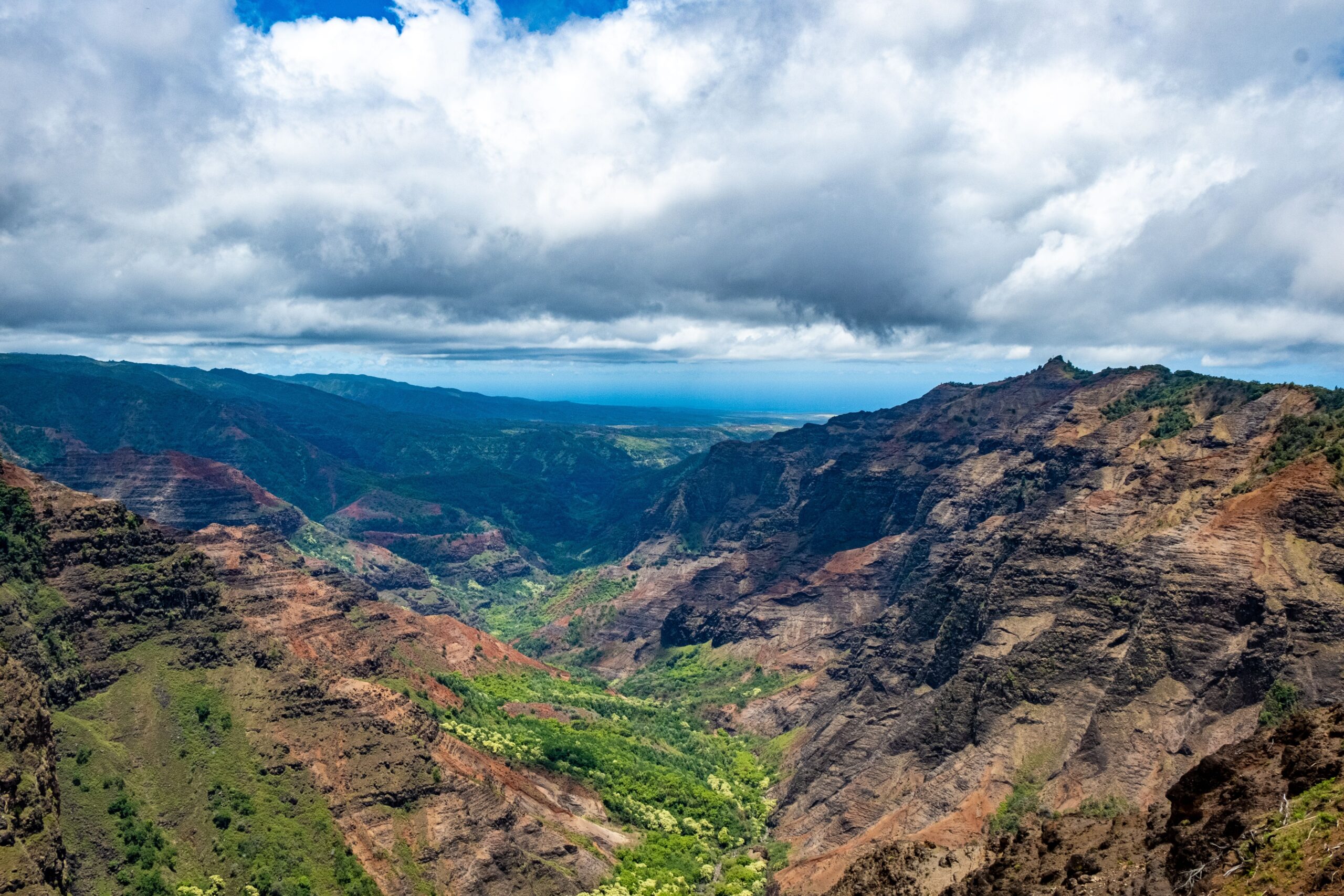
Red and green ridges of Waimea Canyon on Kauai, closed to visitors after Hurricane Lowell as of October 2026
| Factor | Maui | Kauai |
|---|---|---|
| Best for | First-timers, families, beach and resort trips | Hikers, repeat visitors, slow trips |
| Size | About 730 sq mi | About 560 sq mi |
| Feel | More developed, more resorts, busier | Rural, small towns, quieter nights |
| Swimming beaches | More of them, calmer and easier to reach | Fewer, with rougher water on many shores |
| Signature sights | Haleakala, Road to Hana, Molokini snorkeling | Na Pali Coast, Waimea Canyon, Hanalei Bay |
| Status in Oct 2026 | Fully open; Lahaina town still rebuilding | Waimea Canyon and Kokee closed; Haena reopened |
| Rain | Drier resort areas | Wetter, especially in winter |
| Getting around | Rental car needed | Rental car needed |
| Ideal trip length | 7 days | 5 to 7 days |
The Big Caveat: Kauai After Hurricane Lowell
Hurricane Lowell passed off Kauai’s coast in early September 2026. It didn’t make a direct hit, but surge, wind and flooding did serious damage on the south and west sides and on the North Shore. Poipu, where many visitors stay, took the worst of the surge.
The island is open to visitors, and the Hawaii Tourism Authority has said most hotels, restaurants, shops and tours have reopened. But “open” doesn’t mean everything is back. As of the state parks notice dated October 19, 2026:
- Waimea Canyon and Kokee State Parks are closed until further notice, and Kokee Road remains closed. State officials described the damage at Kokee as severe, with fallen trees across the roads and park.
- Haena State Park reopened on October 15, 2026. That brings back Ke’e Beach and the first two miles of the Kalalau Trail to Hanakapiai.
- The Kalalau Trail past mile two is closed, and all camping on Kauai is closed.
- Wailua River State Park is partly open. You can paddle the river, but individual kayakers can’t go to Fern Grotto, and the hike to Secret Falls is closed.
- Every other Kauai state park remains closed.
Poipu is a patchwork right now. Poipu Beach Park is open with lifeguards back on duty, and some resorts reopened within weeks. Others took heavy damage, and nearby roads and restaurants are still under repair. If you’re booked on the South Shore, call your property and ask what’s open around it, not just whether your room is ready.
Why this matters for the decision: Kauai’s main draw is its outdoors, and two of its three headline sights (Waimea Canyon and the full Na Pali hike) are off the table for the moment. Boat tours along the Na Pali Coast are still the best way to see the cliffs, and that’s where most visitors saw them anyway. But a hiker planning a Kauai trip for the next few months is getting a smaller version of the island. Check the state parks notices page before you book anything.
Maui, by comparison, is fully open. The state reported all Maui parks reopened after the September storms except Polipoli in Upcountry, and Wai’anapanapa reopened in late September. Lahaina town is still rebuilding after the 2023 fire, but the rest of West Maui, including Ka’anapali, Napili and Kapalua, is operating normally.
Beaches and Swimming

This is the clearest difference between the two islands in any year.
Maui has more beaches where you can actually swim. The resort coasts in Wailea, Kihei and Ka’anapali sit on the leeward side, so the water is calmer much of the year, and many beaches have parking, showers and restrooms. Snorkeling is easy to reach too, from Ka’anapali’s Black Rock to boat trips out to Molokini Crater.
Kauai’s beaches are more dramatic, but more of them are rough. North Shore beaches like Hanalei Bay and Ke’e are calm in summer and get big winter surf, usually from October through April. Poipu on the South Shore is the dependable winter swimming area. Kauai also has fewer lifeguarded beaches and less signage, so you’ll be asking more questions before you get in.
One new cost on Maui: the Park Maui program now charges non-residents $10 a day to park at Kama’ole Beach Parks I, II and III in Kihei, with a $50 weekly pass. On weekends and county holidays, those lots are for residents only until 10 a.m. Plenty of other Maui beaches are still free.
If being in the water every day is the point of your trip, this section alone should send you to Maui.
The Big Sights: Haleakala and Hana vs Na Pali and Waimea
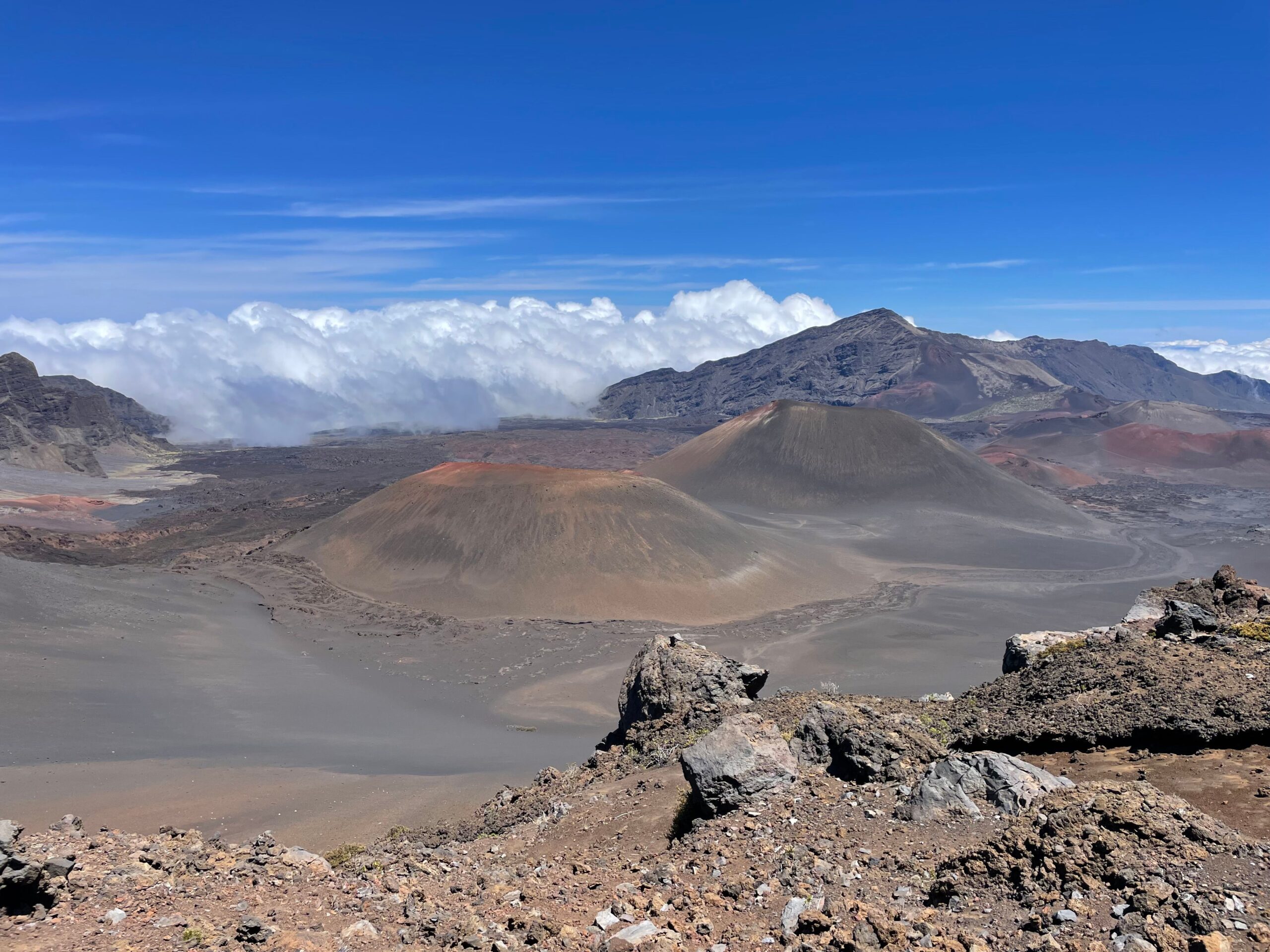
Maui’s two famous days are both big drives. Haleakala, the 10,023-foot volcano summit, is the classic sunrise trip. You need a $1 sunrise reservation per vehicle on Recreation.gov to enter between 3 and 7 a.m., released up to 60 days ahead, according to the National Park Service. That’s on top of the park’s $30 vehicle entrance fee. It’s cold at the top, so pack a real jacket.
The Road to Hana is a long day of one-lane bridges, waterfalls and small stops. If you want to stop at Wai’anapanapa State Park, the black sand beach, non-residents need a timed reservation: $5 per person plus $10 per car per time slot, as of October 2026.
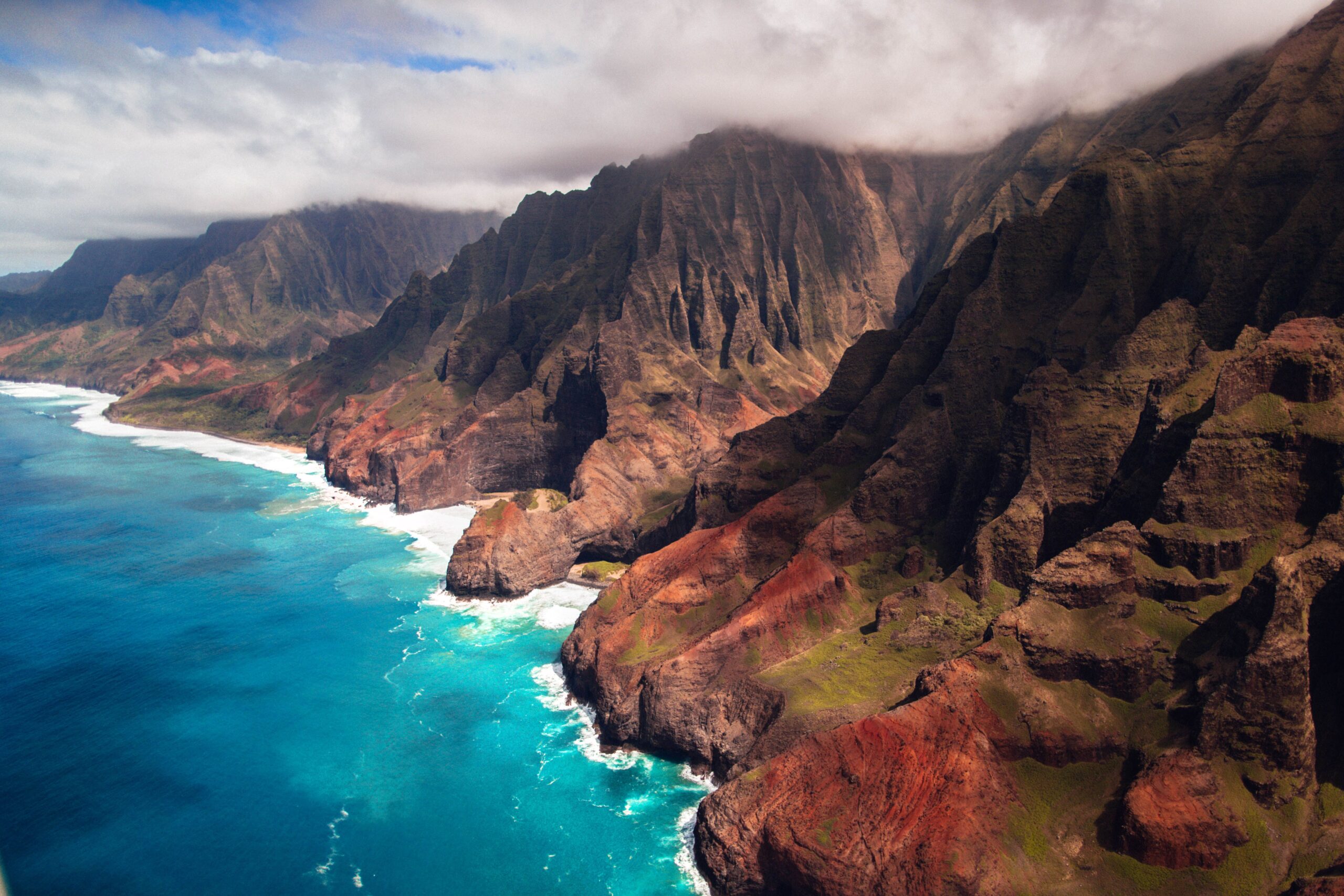
Kauai’s headline sights are the Na Pali Coast and Waimea Canyon. In normal times, you’d hike the start of the Kalalau Trail, drive up Waimea Canyon for the lookouts, and take a boat or helicopter along the Na Pali cliffs. Right now, the boat and helicopter options work, the short Hanakapiai hike works, and the canyon doesn’t.
If you plan to hike from Haena, you’ll need a reservation from Go Haena, which opens 30 days ahead at midnight Hawaii time. Entry is $5 per person, parking is $10 per car per time slot, and the shuttle from Hanalei runs $40 round trip for adults and includes entry, as of October 2026. Morning parking sells out fast.
In a normal year, this one comes down to taste. Maui gives you more variety, while Kauai’s scenery is wilder and less about activities. With the canyon closed, though, Maui has more to offer for the next few months.
Crowds, Pace and Where You’ll Stay
Maui is busier. State tourism data showed Maui averaging roughly 54,000 to 65,000 visitors on the island on a given day in late 2025, and the island welcomed more than 2.5 million visitors over the year. Kauai’s daily visitor count in a busy summer month was about half that.
You’ll feel the difference in traffic, restaurant waits and how many people are at a lookout at sunrise. Maui has more nightlife, more high-end dining and more big resorts, especially in Wailea. Kauai’s evenings are quiet, and its towns are small.
Where you’d base yourself:
- Maui: Wailea or Kihei for sun and calm beaches, Ka’anapali or Kapalua in West Maui for resorts and snorkeling.
- Kauai: Poipu for winter sun, Princeville or Hanalei for North Shore scenery, Kapa’a on the East Side for a central location. Kapa’a and the East Side came through Lowell with lighter damage, which makes them practical bases right now.
So ask yourself what you want from your evenings. A quiet porch and an early night points to Kauai. A choice of restaurants and somewhere to go after sunset points to Maui.
What Each Island Costs
Neither is cheap. Maui is usually the pricier of the two, mostly because of its luxury resort areas. Kauai can be easier on a budget, but the gap is smaller than people expect, and your real dates matter more than the island.
Two costs apply to both. Hawaii’s statewide hotel tax rose to 11% on January 1, 2026, under the new “Green Fee,” and with county surcharges and excise tax the total tax on a room can approach 19%. And on both islands, you’ll want a rental car, since buses don’t reach most beaches and trailheads.
Budget for the small stuff, too. Haleakala, Wai’anapanapa, Haena and Maui’s Kihei beaches all charge non-residents now. For a couple, those reservations and parking fees can add $60 to $100 over a week.
Kauai might save you a little on rooms. But if cost is the only thing pushing you toward one island, compare prices for your actual dates first, because the difference often disappears.
Who Should Choose Which
First-time visitors: Maui. You get beaches, a volcano, a famous drive and plenty to fall back on if it rains.
Families with young kids: Maui. Calmer water and more lifeguarded beaches make every day easier.
Honeymooners: Either. Maui for resort luxury in Wailea or Kapalua. Kauai for privacy and slow mornings, once the island is further along in its recovery.
Serious hikers: Kauai in a normal year. For the next few months, either wait for Waimea Canyon to reopen or pick Maui and spend a day on Haleakala’s crater trails instead.
Repeat Hawaii visitors: Kauai. It’s the island people tend to fall for on their second or third trip.
Can You Do Both?
Yes. Nonstop flights between Lihue (LIH) and Kahului (OGG) take about 50 minutes, though which airlines fly the route changes by season, so you may have to connect through Honolulu. Count on losing half a day to checkout, the airport and a new rental car.
With 10 days or more, splitting works well: about six days on Maui and four on Kauai. With a week or less, stick to one island. You’ll see more and spend less time in airports.
Trying to choose between other islands? Our Kauai vs Oahu comparison covers how Kauai stacks up against the busiest island.
So, Maui or Kauai?
Maui is the easier island to love on a first visit, with better swimming, more variety and fewer surprises. Kauai is the one for people who’d rather walk than lie on a lounger, and who don’t mind a shower of rain over breakfast. For the next few months, Maui gets the nod for most travelers. Kauai will be ready for its hikers again, and when Waimea Canyon reopens, it’s worth a trip on its own.
Frequently Asked Questions
Is Kauai open to visitors after Hurricane Lowell?
Yes. Most hotels, restaurants and tours have reopened, and Haena State Park reopened on October 15, 2026. Waimea Canyon, Kokee and most other state parks remain closed, so check the state parks notices before you go.
Which island has better beaches, Maui or Kauai?
For swimming and snorkeling, Maui. Its leeward resort coasts have calmer water and more lifeguarded beaches. Kauai’s beaches are more scenic but often rougher, especially on the North Shore in winter.
Is Maui more expensive than Kauai?
Usually a little, mainly because of its luxury resorts. Both carry the same state hotel taxes, and both need a rental car.
How many days do you need on Maui or Kauai?
About a week on Maui covers Haleakala, the Road to Hana and plenty of beach time. Five to seven days suits Kauai, though a shorter stay is fine while some parks are closed.
Which island is rainier?
Kauai. It gets more rain overall, especially from December to March, and its North Shore is much wetter than Maui’s resort areas.